Sea Ports
Qatar
Operational specifications for the region’s primary commercial and industrial maritime gateways.
Doha Port
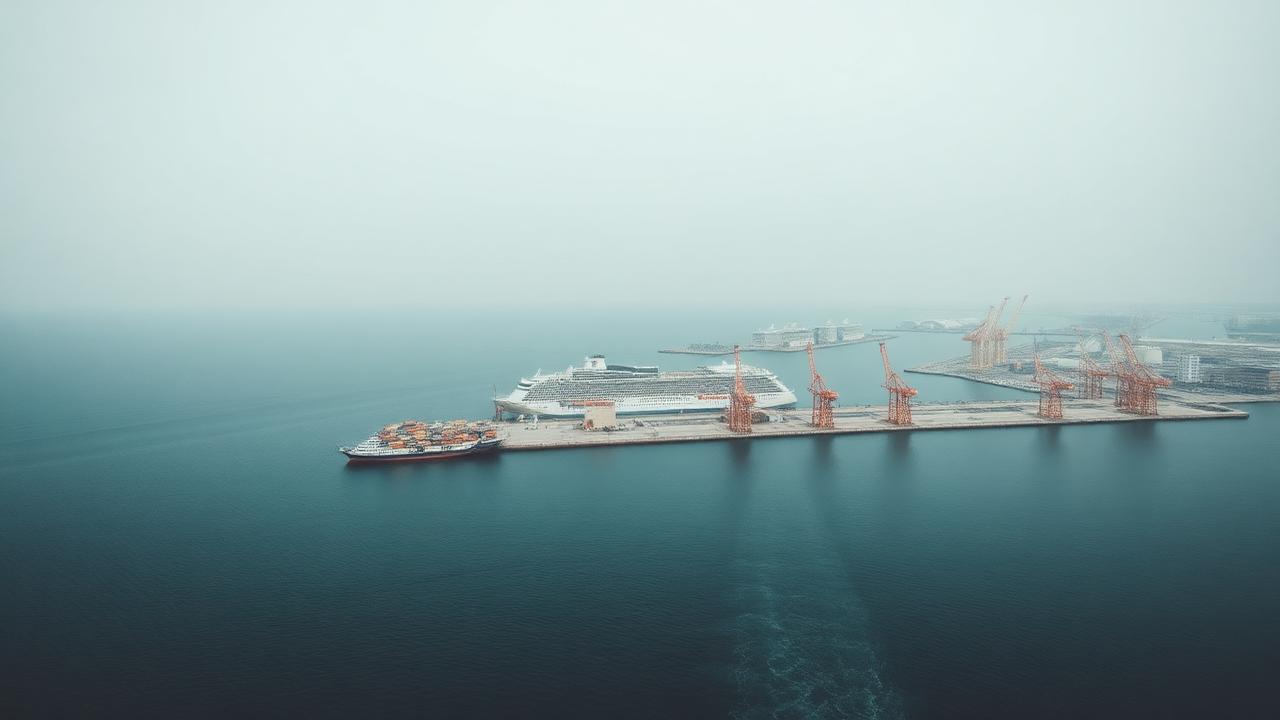
Until end of November 2016, Doha Port predominantly handled container traffic. Following the opening of the new Hamad Port, Doha was converted to a cruise terminal, marking a new chapter in Qatar’s maritime infrastructure.
- Historically the primary container handling facility for Qatar.
- Converted to cruise terminal operations following Hamad Port inauguration.
- Strategically located in the heart of Doha, serving as a gateway for tourism and passenger vessels.
Hamad Port
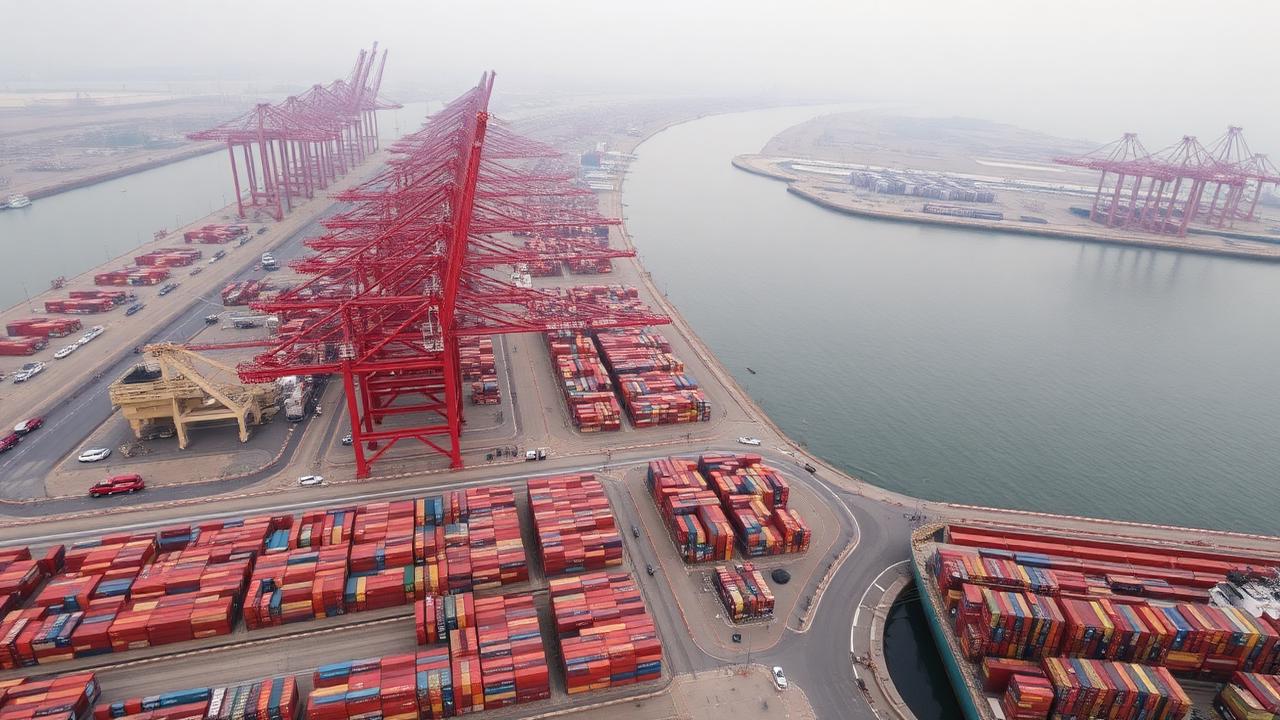
On 1 December 2016, MSC Esthi made the maiden call marking the completion of the first phase of Qatar’s $7.8 billion port. The three container terminals have an optimum handling capacity of 7.5 million TEU per annum.
- Two terminals CT1 & CT2 for container vessels, CT3 for general cargo vessels — owned by Mwani Qatar and handled by Q-Terminals.
- Consists of 1,200 m long jetty with 12 total berths (GCT: 5, MUT/Offshore Supply: 7).
- Empties for backloading and laden units are stored at one of the two terminals.
- Currently encouraging transshipment traffic, aiming to position itself as a major transshipment hub.
Ruwais Port
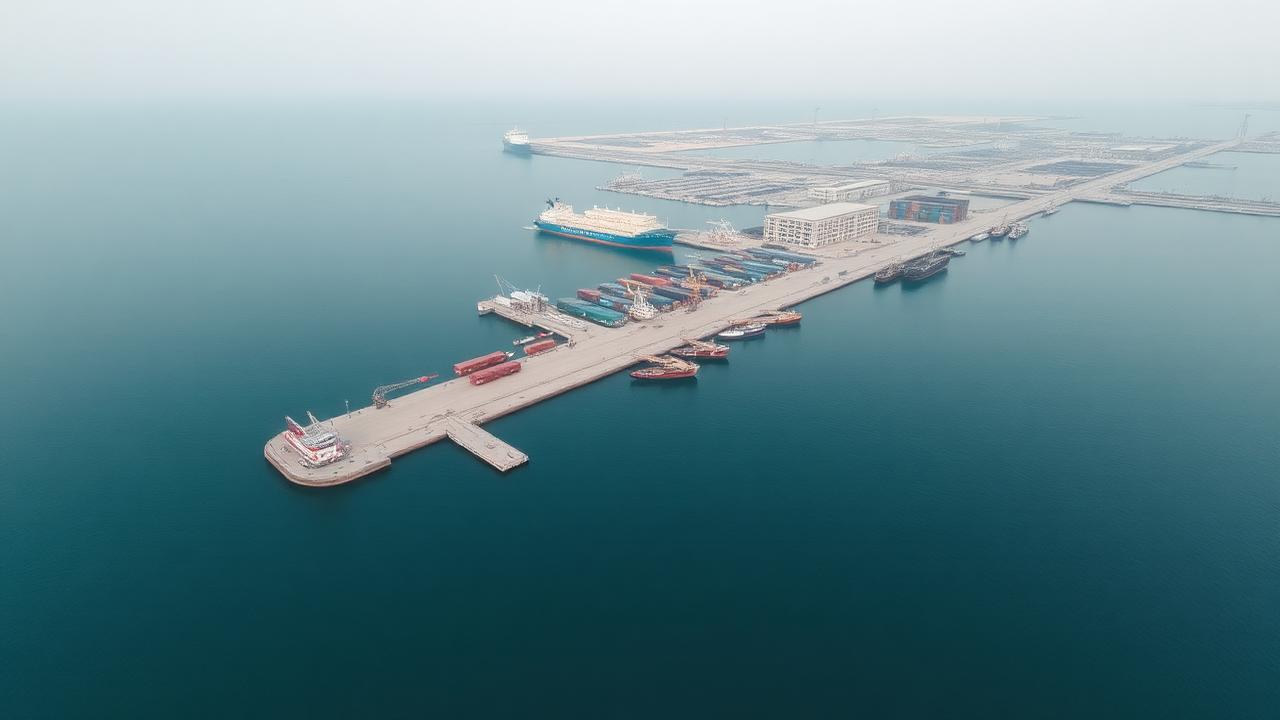
Al-Ruwais Port, Qatar’s second commercial port, is located at the northern tip of the country. It serves as a key facility for general cargo, small dhows, landing crafts, and tug & barge operations.
- Single terminal handling general cargo, small dhows, landing crafts, tug & barge.
- Consists of 1,635 m long zig-zag jetty with 8 berths.
- No major delays — the terminal operates with 3 mobile cranes.
- Berth 1 crane capacity: 250 MT; remaining berths: 100 MT each.
Mesaieed Port
The Port of Mesaieed is Qatar’s southern gateway, handling the export of crude oil, petrochemicals, fertilizers, steel, and aluminum produced by industries in MIC, operated by Qatar Petroleum.
- 30 multi-product berths handling both general and bulk cargo on commercial berths.
- Handles import of all primary building materials for the country.
- Houses Qatar’s largest container terminal catering to MIC (state-owned entities) manufactured contractual cargo.
- Container terminal CT-7 equipped with 4 gantry cranes, 9 RTGs, 3 reach stackers, and 2 × 100 MT mobile cranes.
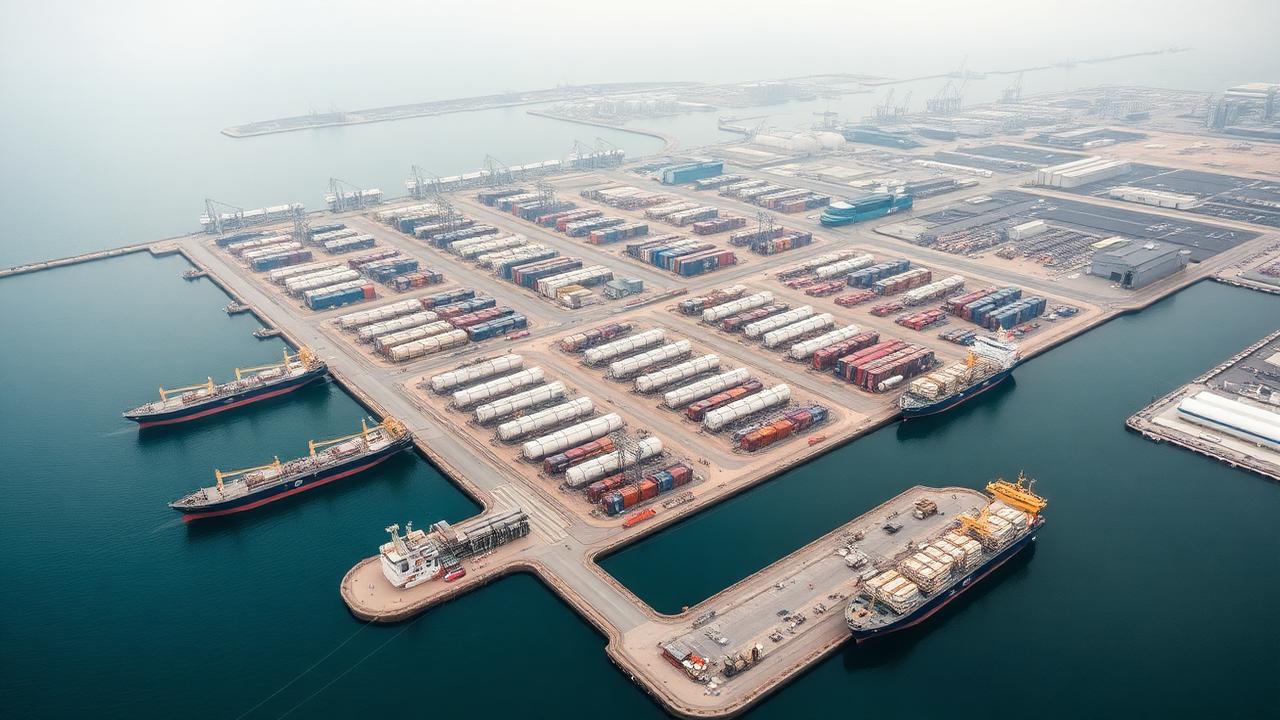
Ras Laffan Port
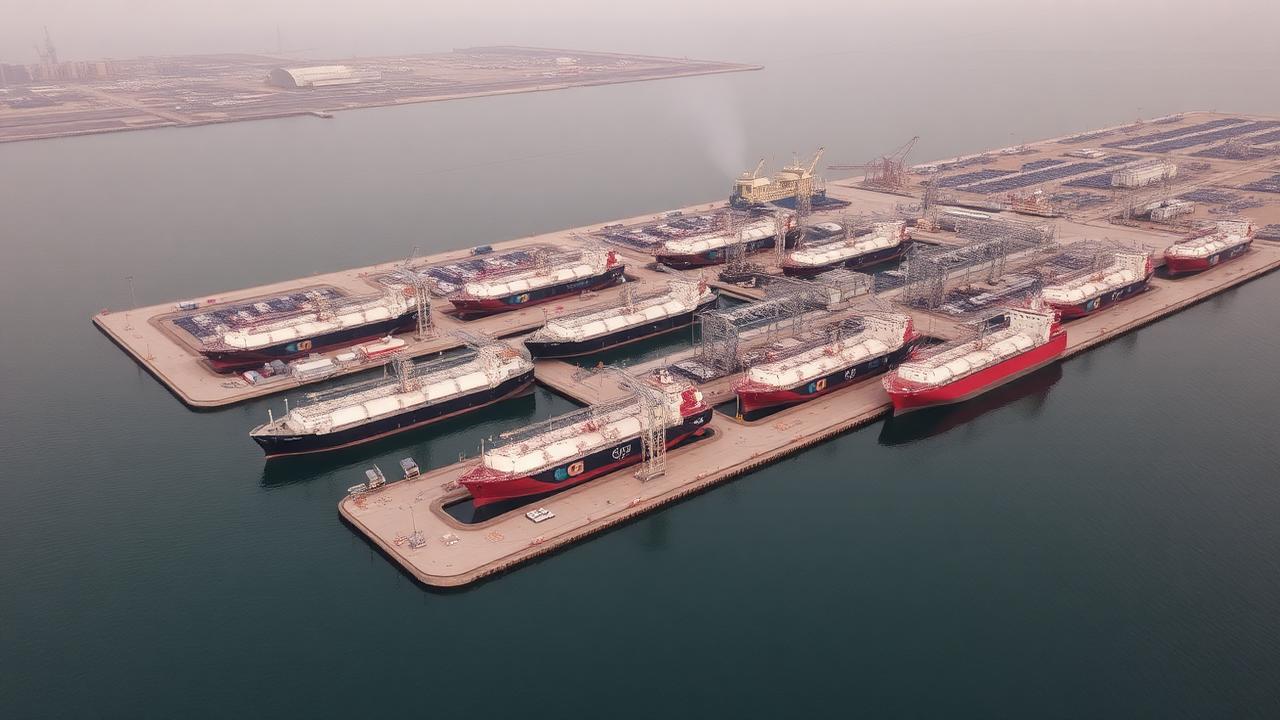
The Port of Ras Laffan has been purpose-built to meet the hydrocarbon exports of all the industries in the industrial city, operated by Qatar Petroleum. It is one of the world’s most significant LNG export terminals.
- Six LNG berths — four capable of receiving Q-Max (largest LNG carriers), others handling Q-Flex and conventional LNG vessels.
- Six liquid product berths currently operational, plus one sulphur berth and six dry cargo berths (two with Ro-Ro facilities).
- 14 offshore support vessel berths with bunker and fresh water facilities, supporting offshore exploration and production.
- Three graving docks and a floating dock for vessel repairs.
- 2 SPMs (Single Point Moorings) accommodating vessels from 85,000–320,000 DWT.
- 3 × 80 MT mobile cranes; additional capacity via vessel gear or QP-authorized hirers.